Ceiling water damage in rental properties: a Perth landlord’s checklist
A practical Perth checklist for landlords and property managers dealing with water-stained, peeling or damaged rental-property ceilings—from safety and photos to repair scope and access.
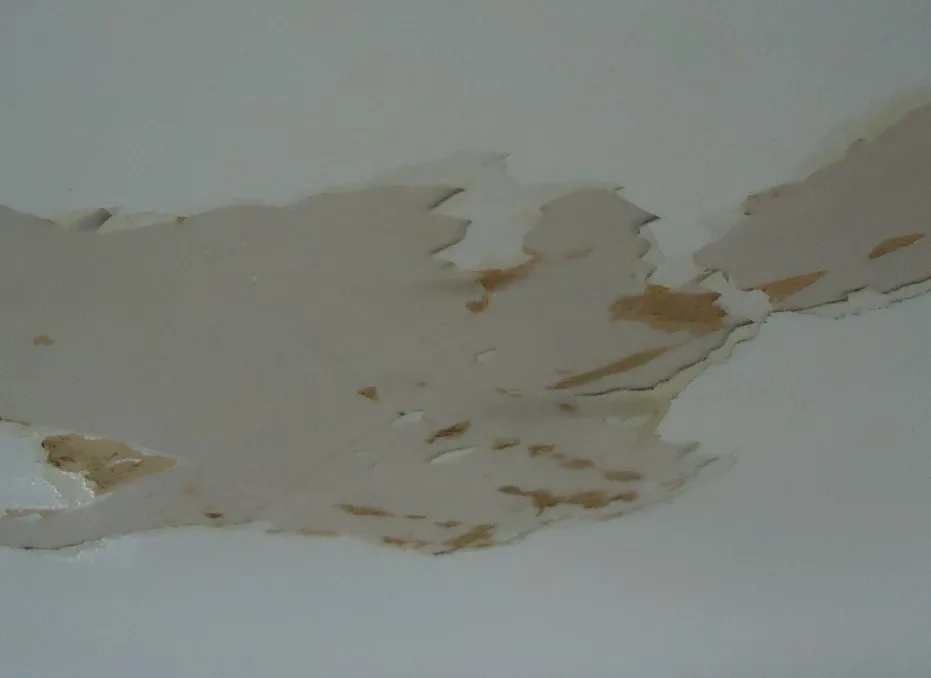
Water damage to a rental-property ceiling creates two separate jobs: dealing with the source of the moisture and deciding what ceiling work is actually required. Repainting too early can hide the symptom without resolving damp plasterboard, failed jointing or loss of support.
For Perth landlords and property managers, a clear sequence helps protect occupants, preserve useful evidence and obtain a more accurate repair scope.
1. Check safety before inspecting closely
If the ceiling is visibly sagging, bulging, soft, actively dripping or separating from its supports, keep people and furniture away from the affected area. Do not press the ceiling to test it. Water near lights, fans or other electrical fittings should be treated cautiously and assessed by an appropriately qualified electrician.
A photograph can help explain the problem, but it cannot confirm the ceiling’s condition, the source of moisture or whether a local repair will be sufficient.
2. Control the moisture source first
Ceiling repair should generally follow investigation of the water source. Depending on the property, that may involve a plumber, roofer, air-conditioning technician, strata manager or another suitable contractor.
Common pathways include plumbing leaks, roof or flashing problems, overflowing gutters, condensation and moisture entering around services. The visible stain is not always directly below the source, so avoid assuming that repainting the marked area will solve the problem.
CRP’s guide to what to do after a ceiling leak explains the practical first steps before ceiling repairs are scoped.
3. Record the condition before cleanup or repair
Good photographs make it easier for the property manager, owner and relevant contractors to understand the issue. Capture:
- a wide photograph showing the affected ceiling within the room;
- close photographs of stains, peeling paint, cracks, holes or sagging;
- the relationship to lights, vents, cornices, external walls and wet areas;
- any accessible area above the ceiling, but only where it is safe to photograph;
- the suspected source and any work already completed to stop it.
Include the property suburb, room type, approximate affected area and whether the surface is changing. See which photos help a ceiling repair quote for a more detailed checklist.
4. Decide whether the ceiling needs drying, repair or replacement
The appropriate scope depends on more than the stain. An assessment may consider whether the plasterboard has softened or deformed, whether paper facing and paint have delaminated, whether joints or fixings have failed, the size and location of the affected area, and whether the moisture source has been controlled.
A small, stable area may suit local repair and refinishing. A larger damaged section may need to be cut out and replaced. Where support has been lost or damage is widespread, a room-level replacement assessment may be more reliable than repeated patching.
CRP’s water-damaged ceiling repair guide and repair-or-replace guide provide more detail about these pathways.
5. Coordinate access and responsibilities
Rental repairs can involve the tenant, owner, property manager, insurer, strata manager and several trades. Before ceiling work is booked, confirm who is coordinating access, whether the source has been repaired, whether the area is dry enough to proceed and whether any electrical fittings or services need separate attention.
If the property is part of a strata scheme, responsibility for the moisture source and affected building elements may need to be clarified before work begins. Keep the ceiling-repair scope separate from plumbing, roofing, electrical, mould remediation and painting unless the written quote specifically includes those items.
6. Ask for a clear written ceiling-repair scope
A useful quote should identify the proposed repair boundary, preparation and protection, removal and replacement work, jointing and finishing, painting inclusions, access assumptions, exclusions and any applicable warranty.
CRP provides a seven-year warranty on new ceiling installations. That statement should not be assumed to apply to every local patch or repair; the written quote should confirm the warranty relevant to the proposed work.
Request an assessment from CRP
For a clearer next step, share the property suburb, room type, a short description of the water event and whether the moisture source has been addressed. Request a ceiling repair quote and upload ceiling photos using the homepage enquiry form. If you do not have photos ready, you can still contact CRP about an assessment.