Plasterglass, fibrous plaster or plasterboard? Planning repairs to an older Perth ceiling
How ceiling materials affect a repair quote, what you can learn from room photos and renovation records, and what to ask if you want to preserve original plaster details.
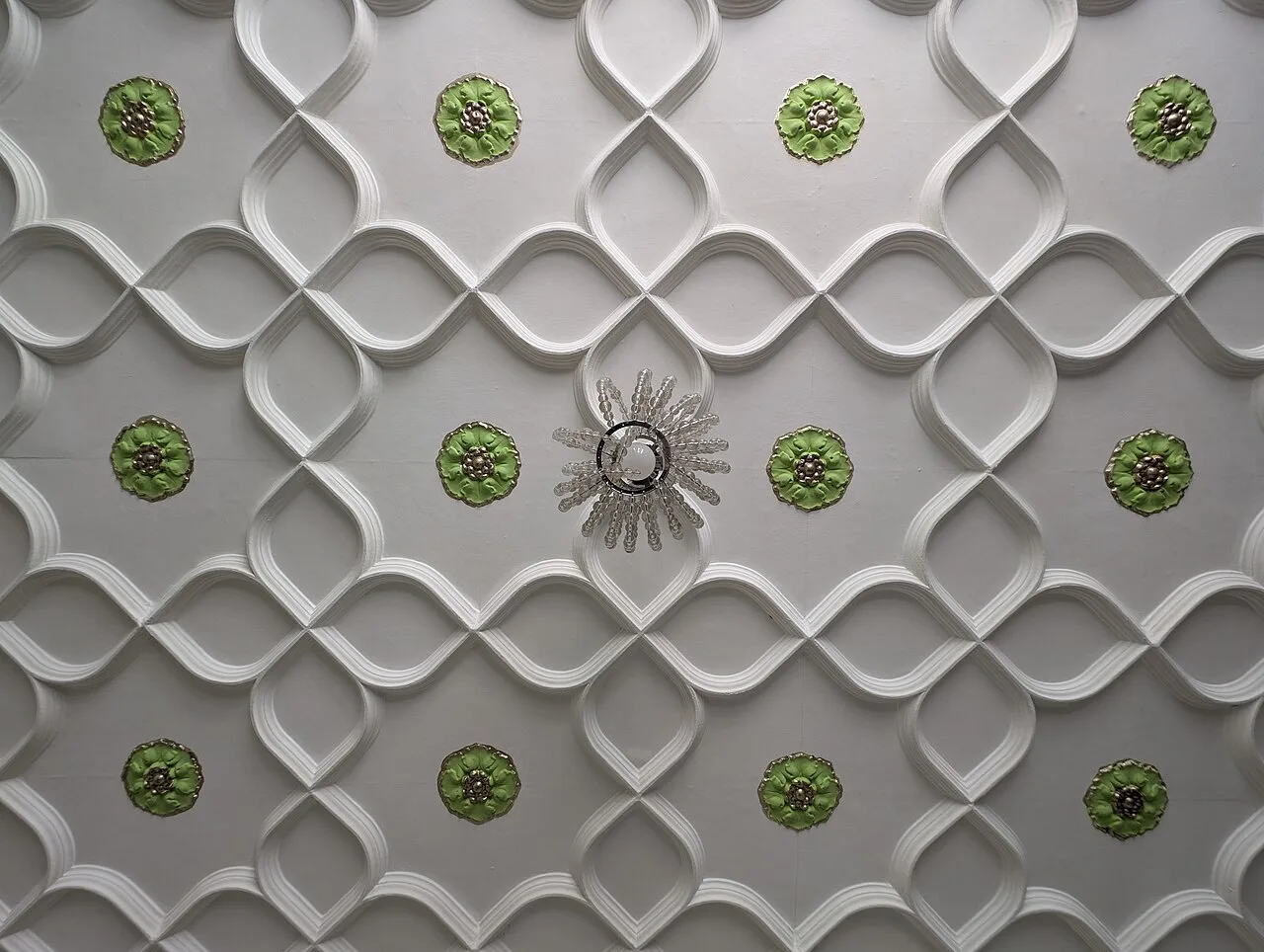
If a crack runs from a decorative cornice into a flat ceiling, what should you ask someone to repair? In an older Perth home, the cornice, the ceiling sheet and an earlier patch can be three different materials under one coat of paint. When requesting a quote, start with the room, the change you have noticed and the detail you want to keep. You can leave the material name open until the assessor has seen it.
What do the three names mean?
Plasterboard is a manufactured sheet lining, commonly made with a gypsum core and paper faces. The joints between sheets are finished to give the ceiling a continuous surface. Gyprock is a brand of plasterboard and other plaster products. An invoice that says “Gyprock” is worth reading closely. Does it describe work to the whole ceiling, a single replacement sheet, joint repairs or a new cornice? Each tells you something different about the room.
Fibrous plaster describes cast plaster reinforced with fibres. The term can refer to flat sheets as well as moulded features. A ceiling rose or a run of decorative cornice can be a separate cast piece attached to a different lining. Its profile may be important to a repair even when the damage itself is on the flat area beside it.
Plasterglass is a term used for glass-fibre-reinforced cast plaster. It overlaps with the broader description “fibrous plaster”. An older reference to fibrous plaster leaves the particular reinforcement open. For a manufacturer’s explanation of how glass fibres are used during casting, see Gyprock’s casting plaster information. For examples of modern sheet linings, see its residential plasterboard range. Neither source can identify an installed ceiling remotely.
What can you tell from the room?
A photograph taken from the doorway can show whether a crack follows a straight line, turns at a cornice or stops where a later extension begins. It can also show which part of a pattern would be affected by the repair. These observations help an assessor decide what to examine. Paint conceals the back of the lining, its reinforcement and the way it is attached. Even two adjoining rooms of the same age can have different ceilings after renovation.
For example, suppose a previous owner left an invoice for “replacement ceiling to rear addition”. If the affected room is at the front, that invoice tells the assessor which part of the house was altered while leaving the front ceiling’s construction an open question. Identify the room on each record you send. An old photograph taken during earlier work can be more useful than a guess based on the age of the house.
Why the material changes the repair discussion
With plasterboard, a straight crack may follow a finished sheet joint. The assessor can consider the surrounding sheet, how it is supported and whether movement at the joint needs attention. If you already know that the room has a sheet lining, CRP’s guide to plasterboard ceiling joints explains what a joint repair involves.
With cast plaster, a useful first question is which part is affected. A chipped decorative edge raises a different question from a length of cornice pulling away, or a change in the level of the ceiling beside it. A clean paint finish alone tells you little about how securely a section is held. Ask which parts the assessor considers sound, what needs closer inspection and whether retaining the existing detail requires a specialist.
At the junction between old and new work, ask for the proposed repair boundary. Will it stop on the flat ceiling, meet an existing moulding or cross an earlier patch? If the cornice repeats around the room, clarify whether it can stay in place and how any interruption to the pattern would be handled. These details give you a basis for comparing written quotes. CRP’s repair or replacement guide covers the broader decision once the material and extent of damage are understood.
What to gather before an assessment
- Take one room-wide photo from floor level and, if safe, use the camera zoom for the affected edge or joint. Include an undamaged length of the same moulding if matching its profile matters.
- Describe when you first noticed the change and which rooms it affects. A dated earlier photograph helps show whether a gap has grown.
- Check any renovation plans, invoices or previous quotes you already hold. Tell the assessor whether they describe proposed work or work you know was completed.
- Flag what you want to preserve, such as a ceiling rose, a cornice return above a cupboard or a continuous painted finish into an adjoining room.
Leave the material in place. Avoid scraping the paint, lifting a fitting, breaking off a sample or entering the roof space to identify the lining. If an unknown older material would need disturbing, ask about appropriate specialist assessment first. A photograph cannot clear a material for disturbance. If a section appears loose or is dropping debris, keep clear and arrange an assessment from a safe location.
Questions to put to the assessor
Ask what evidence supports the material identification, how much of the surrounding ceiling can be retained and what still needs to be checked before the price is firm. If two possible repair approaches are being considered, ask what finding would determine the choice. Have the written scope distinguish work on the flat lining, decorative details and painting. That makes it easier to see where the finished work will stop.
For a Perth ceiling enquiry, include your suburb, the affected room, any known repair history and a photo taken safely from below. “Material unknown, original cornice to remain if possible” is a useful starting description. Share your ceiling photos for a repair assessment, or contact CRP to discuss the next step. You can also read about CRP’s plaster and gyprock repair assessments.